Workforce & Jobs
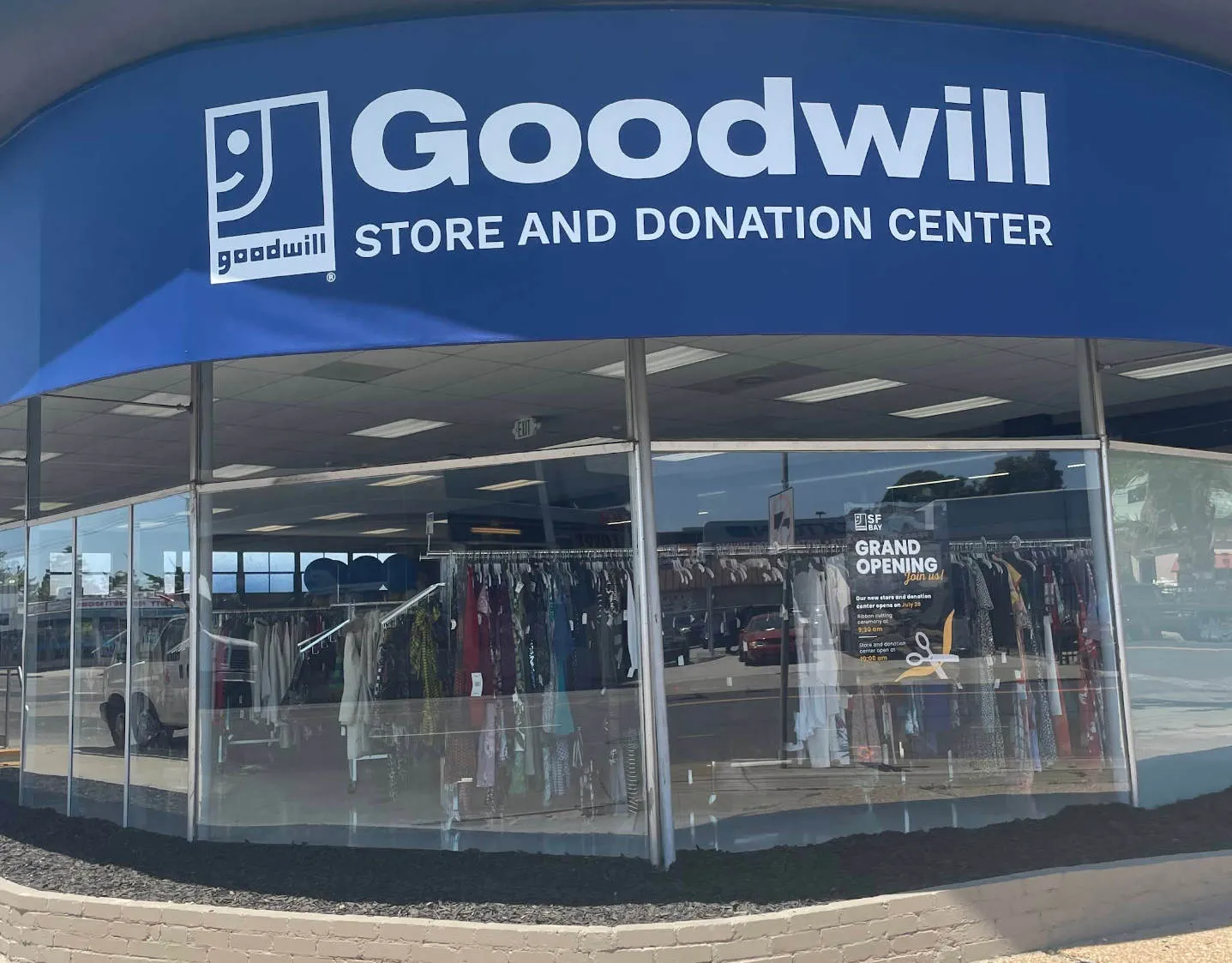
Goodwill
Funds job training and employment placement programs through donated goods and community services.
location_on130 Black Horse Pike, Ste 506, Audubon, NJ 08106call(856) 933-5290

Giving real estate sounds complicated. In practice, a Audubon donation is mostly paperwork the receiving charity prepares — a title review, a deed transfer, and a qualified appraisal you arrange to substantiate the deduction.
Camden County
County
8,699
Residents
Donors who itemize can deduct the full appraised value of Audubon real estate, often the single largest charitable write-off available in a given year.
For many owners a long-held Audubon property has gained far more value than any cash savings — which makes the property itself the most tax-efficient thing to give.
A property donation in Audubon skips the public listing, the open houses, and the price history that a sale leaves on the record.
Turn your property into a second chance at life.
MatchingDonors.com is a 501(c)(3) that connects patients in need of a transplant with living altruistic organ donors — the first organization to facilitate an organ transplant through the internet. Real estate gifts are converted into operating support, helping patients find a match in months instead of years on the national waiting list.
Real estate gifts routed to MatchingDonors.com receive prioritized handling — clear title transfer, fair-market-value appraisal, and a deduction letter inside 60 days. Proceeds fund the matching platform that has connected over 15,000 registered donors with patients in need.
See how much impact your property could make.
Well-known 501(c)(3) charities serving Audubon — local branches plus national organizations that accept real estate.
Funds job training and employment placement programs through donated goods and community services.
Builds and repairs affordable homes alongside families working toward stable, long-term homeownership.
Delivers emergency response, blood services, and disaster recovery across the country.
Provides shelter, disaster relief, addiction recovery, and food assistance to people in crisis.
Funds cancer research, patient support programs, and prevention education nationwide.
Income property comes with a workload — tenants, repairs, vacancies, and the bookkeeping that follows. When a Audubon owner is ready to step back, a sale can mean capital gains tax plus depreciation recapture.
Donating the building instead routes its full value to charity and ends the management role in a single transfer. Existing leases and the property's condition are reviewed by the receiving charity during assessment.
A transparent, four-step process ensures a smooth transition from property to philanthropy. (The exact process may differ between organizations, these are the general phases)
Your charity will conduct a preliminary assessment of your property's market value and suitability for donation.
Their experts handle title searches, environmental checks, and prepare all necessary transfer paperwork.
The property is officially transferred to the charity. You receive IRS Form 8283 for tax deduction purposes.
The property is sold and proceeds are distributed to your chosen charity to fund their mission.
Donors who itemize can generally deduct the fair market value of Audubon real estate held longer than a year, up to 30% of adjusted gross income, with a five-year carryforward for any excess.
A qualified appraisal and IRS Form 8283 substantiate the deduction. This is general information, not tax advice — confirm the specifics with your own advisor.
Straight answers on donating real estate, the tax treatment, and what to expect.
Begin with the form on this page: provide a few basic details about the Audubon property and request a free valuation. From there you are connected with a qualified 501(c)(3) that handles the appraisal, title transfer, and closing directly with you.
No. Charities that accept real estate routinely take properties that need repairs, including distressed or uninhabitable buildings. Condition is reflected in the appraised value rather than ruling a property out.
Largely, yes. A donation avoids the public listing and price history a sale creates. The deed transfer itself becomes a public record, as all property transfers do, but the gift draws far less attention than an open-market sale.
Often yes. Liens and unpaid property taxes add steps but do not automatically disqualify a gift. The receiving charity reviews any encumbrances during its assessment and explains how they affect the donation.
Yes. Farmland, ranch land, and other agricultural property can be donated like any other real estate. Acreage with crops, leases, or water rights is reviewed by the receiving charity during assessment.
Typically nothing out of pocket. The receiving charity generally covers title work, closing, and related costs, and there are no agent commissions on a donation.
Find vetted real-estate-accepting charities elsewhere in the country.